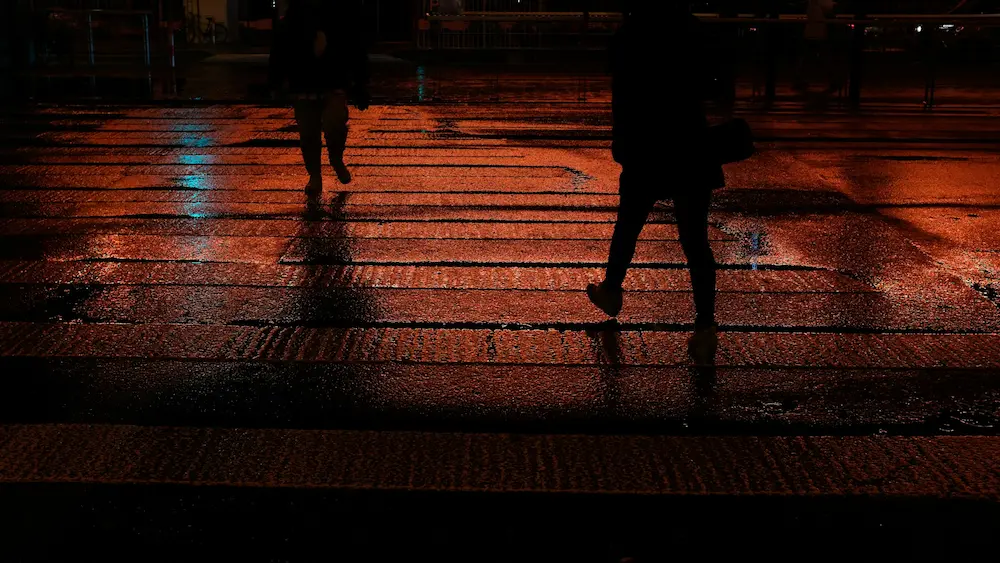
Picture a Flint nurse stepping off the bus at 5:45 on a weeknight. On the last Saturday in October, she still walks the final two blocks home in daylight. By Monday, the same sidewalk, the same corner, and the same drivers are wrapped in full darkness. Nothing about her route changed except the clock.
Michigan falls back on Sunday, November 1, 2026, and that shift pushes the evening commute straight into the dark. Darkness is the single biggest factor in whether a pedestrian crash turns deadly. From 2020 to 2024, 71.4% of fatal pedestrian crashes in Michigan happened in dark conditions. Drivers and walkers both need time to adjust, and the first weeks are the hardest.
What Really Changes on Michigan Roads When the Clocks Fall Back
Rush Hour Moves Into the Dark Overnight
In Flint, the sun sets around 6:30 p.m. on October 31. The next evening, it sets around 5:30 p.m. That lost hour of light lands right on top of the busiest part of the drive home.
Michigan's own crash data shows why the timing is so dangerous:
- The 6:00 p.m. hour is the peak time for pedestrian crashes statewide.
- October is already the worst month of the year for pedestrian crashes, with 11.4% of the annual total.
- November and September follow close behind, which means the danger doesn't fade once Halloween passes.
The First Hour of Darkness Carries the Most Risk
The Michigan Department of Transportation has pointed to University of Michigan Transportation Research Institute research on this. Pedestrians face greater risk of serious injury in the weeks after the clocks change. The most dangerous stretch is the first hour of darkness.
Think about who is out during that hour. People are leaving work, walking the dog, and running to the corner store for milk. Their habits, and the habits of nearby drivers, were built over a summer of bright evenings.
Michigan's Unusual Spot on the Clock
Here is something many people don't realize. Most of Michigan sits far to the west inside the Eastern Time Zone. That geography gives us long summer evenings, but it also produces very late fall sunrises.
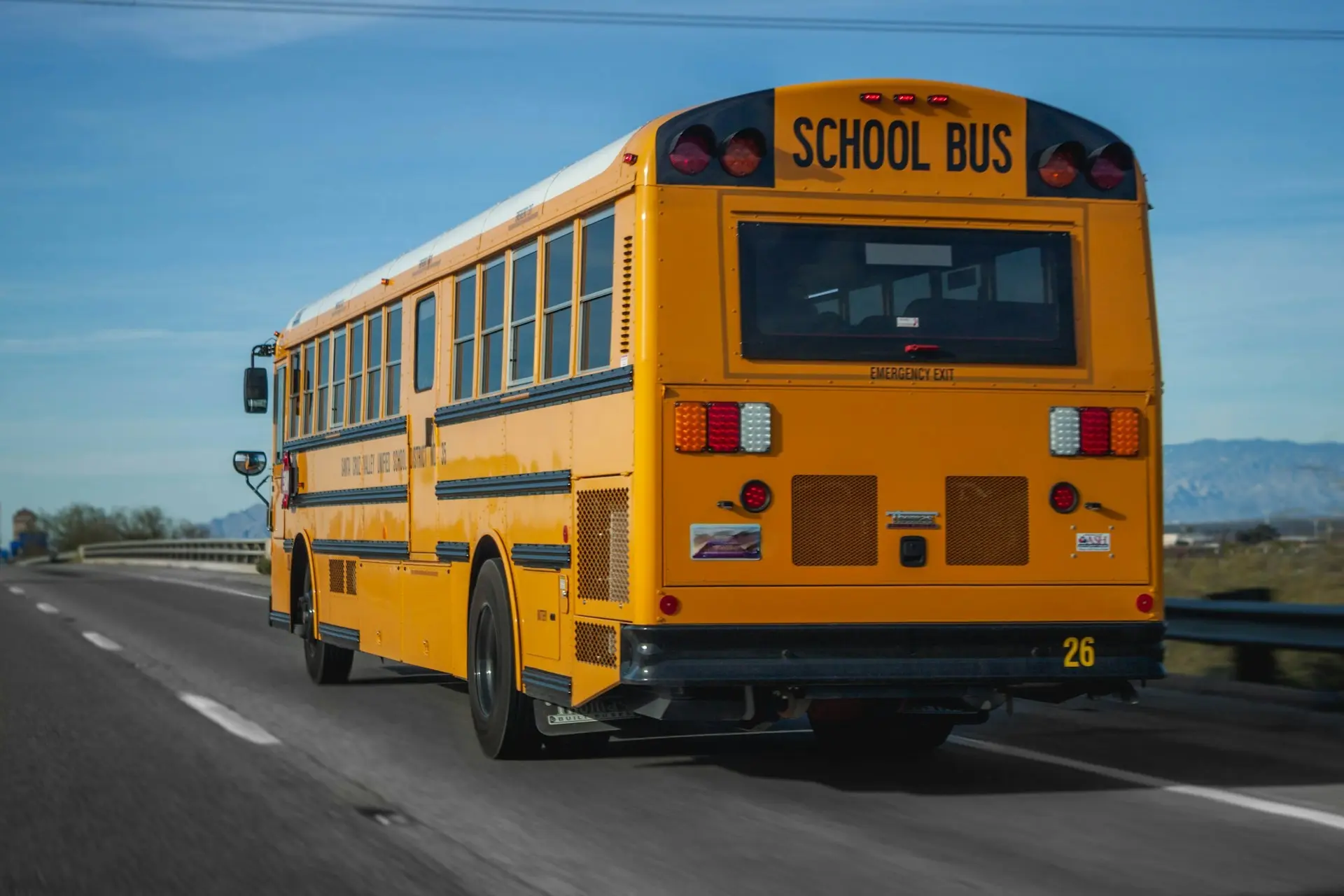
In late October, the sun doesn't rise in Flint until after 8:00 a.m. That puts kids at school bus stops and early commuters in the dark every morning. Once the clocks change, the risk flips. Mornings brighten for a few weeks, while the evening darkness settles squarely over the commute home.
Who Faces the Most Risk After the Time Change
These are the neighbors we worry about most once evenings turn dark:
- Evening commuters and bus riders. People walking from Flint MTA stops, or from work in Burton and Saginaw, often cross busy roads right at dinnertime.
- Older adults. Among Michigan pedestrians 85 and older involved in crashes, nearly half were killed or seriously injured.
- Kids and teens heading home from practice. Fall sports run late, and the walk home after football, soccer, or band practice gets darker every week. Having backed local youth sports for decades, we feel this one.
- Walkers on rural roads. Many township roads in Genesee and Lapeer counties have no sidewalks and no streetlights. In Michigan, 20.6% of pedestrian crashes on dark, unlit roads involved a death, compared with 4.0% in daylight.
- People outside a stopped vehicle. Drivers changing a tire, tow operators, and stranded motorists standing near the shoulder are at real risk when passing traffic can't see them.
Why Drivers Miss People Walking in the Dark
Myth vs. Fact
- Myth: If a pedestrian was hard to see, the driver isn't responsible.
- Fact: Michigan law requires drivers to keep a speed that lets them stop within the "assured, clear distance ahead." Darkness doesn't erase that duty. It raises the stakes of ignoring it.
- Myth: Headlights show drivers everything in the road.
- Fact: Low beams only reach so far. At higher speeds, a driver can easily outrun what their headlights reveal.
- Myth: Crosswalks and intersections are where pedestrians get killed.
- Fact: In Michigan, the most common action for pedestrians in fatal crashes was crossing away from an intersection, at 30.0%.
- Myth: Pedestrians are legally required to wear reflective gear at night.
- Fact: Michigan requires bicyclists riding at night to use a front light and rear reflector. No similar rule applies to people on foot.
How Michigan No-Fault Works if You're Hit While Walking
Your Own Auto Policy Usually Pays First
If you have a Michigan auto policy, your own insurer is typically first in line. The policy of a spouse or a relative living in your household may also apply. PIP benefits may help cover:
- Medical care and rehabilitation
- A portion of lost wages
- Replacement services, such as help with household chores
- Attendant care for serious injuries
No Car Insurance in Your Household?
You may still have options. Coverage may come from the insurer of the vehicle involved in the crash. If no policy applies, the Michigan Assigned Claims Plan may assign an insurer to your claim. Medical benefits through that plan are capped at $250,000, a limit a serious brain or spinal injury can reach quickly.
Your PIP Choice After the 2019 Reform May Matter
Since July 2020, Michigan drivers have chosen their own PIP medical coverage level. Many families picked a lower limit to save money, never picturing a crash on foot. That choice could shape how much medical care gets paid. Pull out your declarations page early.
Going Beyond No-Fault: A Claim Against the Driver
PIP doesn't pay for pain and suffering. To pursue those damages from the at-fault driver, Michigan law generally requires a serious impairment of body function, permanent serious disfigurement, or death. You may also be able to recover certain financial losses that exceed your PIP limits.
Expect the insurer to blame your dark clothing or where you crossed. Under Michigan's comparative fault rules, being found more than 50% at fault could bar recovery for pain and suffering.
Quick Takeaway: No-Fault Basics for Pedestrians
- Who pays first: Usually your own auto insurer or a household relative's, then the insurer of the vehicle involved, then the Assigned Claims Plan.
- The deadline: You generally must give written notice to the PIP insurer within one year of the accident.
- The other side: The at-fault driver's insurer works for the driver, not for you.
What to Do After a Pedestrian Accident: A Practical Checklist
If you or a family member can manage these steps, they may protect both your health and your claim.
- Call 911 and get a police report. It creates an official record.
- Get medical care right away. Symptoms of a traumatic brain injury may not show up for hours or days.
- Photograph the lighting. Capture streetlights, shadows, signs, and the spot where you were hit, ideally at the same time of evening.
- Keep your clothing and shoes as they are. Don't wash them. They may become evidence about visibility.
- Ask nearby businesses about video. Many security systems record over footage within days.
- Notify your own auto insurer promptly.
- Skip the recorded statement. The other driver's insurer may call quickly and sound friendly. You don't have to give them a statement.
- Talk with an attorney before signing anything. Early paperwork can limit what you are able to recover later.
A Few Small Habits Before November 1
There are still a few weeks before the clocks change, and that gives every Michigan household a window. Walk the practice route with your teenager and talk about where it gets dark. Clip a small light to a grandparent's coat. If you drive, put the phone away and ease off the gas during that first hour after sunset.
Even so, careful people get hurt every fall because a driver glanced down at the wrong moment. If that happens to your family, you shouldn't have to sort out insurance priority rules while trying to heal. That burden is ours to carry, and we're glad to carry it.
Talk With George or Alex About What Happened to You
Were you hit while walking anywhere in Michigan, or did you lose someone in a pedestrian crash? We'd like to hear your story. Your free case evaluation is a real conversation with an attorney who will tell you plainly where things stand.
Hamo Law Firm
614 S. Grand Traverse Street,
Flint, Michigan 48502
Phone: 810-234-3667
Email: ahamo@hamolaw.com
Website: hamolaw.com
Follow Hamo Law
Facebook: facebook.com/HamoLawFirm
Instagram: instagram.com/hamolawfirm
LinkedIn: linkedin.com/company/hamo-law
YouTube: youtube.com/@HamoLawFirm
TikTok: tiktok.com/@hamolawfirm
Disclaimer: The information provided here is for educational purposes and is not intended as legal advice. Every case is unique, and past success does not guarantee future results.